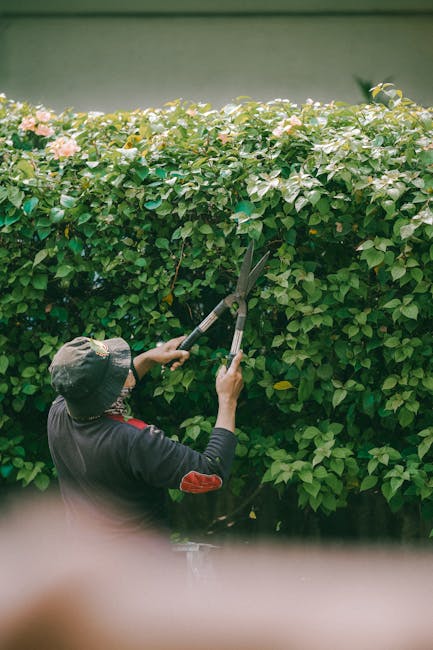
Cheap gardeners in Pimlico versus full garden maintenance: what you actually get for your money
If you are weighing up cheap gardeners in Pimlico versus full garden maintenance, you are probably trying to answer a very normal question: do you just need someone to tidy the place up, or is it time for a proper ongoing service? In Pimlico, where gardens can be compact, sheltered, shaded, or just a bit awkward to access, that choice matters more than people expect. A low-cost one-off visit can be ideal for a quick reset. Full maintenance, on the other hand, is the difference between "it looks alright today" and "it stays in good shape all year".
Let's face it, gardens have a habit of revealing the truth. The lawn tells on you. The hedge tells on you. The weeds definitely tell on you. This guide breaks down the real differences, when each option makes sense, what to watch out for, and how to decide without overpaying or underbuying the job.
Contents
- Why cheap gardeners in Pimlico versus full garden maintenance matters
- How the two service models work
- Key benefits and practical advantages
- Who this is for and when it makes sense
- Step-by-step guidance
- Expert tips for better results
- Common mistakes to avoid
- Tools, resources and recommendations
- Law, compliance, standards and best practice
- Options, methods and comparison table
- Case study or real-world example
- Practical checklist
- Conclusion
- Frequently asked questions
Why Cheap gardeners in Pimlico versus full garden maintenance Matters
The choice is not just about price. It is about the kind of outcome you want and how much time you are prepared to spend later correcting the gaps. A cheap gardening visit may focus on the obvious jobs: mowing, weeding, edging, a quick sweep, perhaps a basic hedge trim. That can be brilliant if your garden is already healthy and just needs a nudge back into shape.
Full garden maintenance goes further. It is about keeping the whole space under control over time: lawn care, seasonal pruning, hedge care, border management, clearing leaves, checking drainage issues, and keeping growth balanced rather than letting it run wild. In a place like Pimlico, where many gardens are smaller but more intensively used, that regular attention can save a surprising amount of hassle.
The practical difference shows up in little things. A cheap one-off can make the garden look neater for the weekend. A maintenance plan can stop ivy creeping where it should not, stop the lawn thinning out, and stop the "I'll deal with that next month" pile from becoming a half-day job. The longer you leave it, the more the bill tends to move in one direction, and it is not downwards.
If you are comparing options, it helps to think in terms of control rather than just cost. Cheap gardeners are often best for catch-up work. Full garden maintenance is best for prevention, consistency, and a garden that feels easy to live with.
How Cheap gardeners in Pimlico versus full garden maintenance Works
In simple terms, cheap gardening services usually work on a task-based basis. You book a visit, explain what is bothering you, and the gardener comes to tackle those visible jobs within the time or budget agreed. It is common for these visits to be straightforward and efficient. You might ask for lawn mowing, weed removal, a hedge trim, or a garden clear-up after a busy few weeks. If the garden is small, the work can be completed quickly and neatly.
Full garden maintenance works differently. Rather than treating each visit as a separate rescue mission, the service is planned around the health and appearance of the garden across the year. That may include recurring visits, seasonal tasks, and a more considered approach to plant growth, lawn condition, and outdoor tidiness. In practice, this often means less "dramatic" work each time, but better long-term results.
There is also a difference in how the work is scoped. Cheap gardeners may price mainly on visible labour and basic materials. Full maintenance often includes more detailed planning: what needs doing now, what should wait, what needs a follow-up, and what could become expensive if ignored. That sounds a bit formal, but in real life it is often just the difference between a quick fix and proper stewardship.
For example, a one-off visit might cut back a hedge, but full maintenance would also consider how hard the hedge can be cut, how it will regrow, whether it needs shaping rather than aggressive reduction, and whether neighbouring planting will be affected. Small difference? Not really.
Key Benefits and Practical Advantages
Each option has its place. The trick is knowing which benefit matters most to you.
Why cheap gardeners can be a smart choice
- Lower upfront cost: Ideal when the garden needs a visible tidy-up but not a full programme.
- Fast turnaround: Useful before visitors, a tenancy handover, or after a run of wet weather and weed growth.
- Flexible for one-off tasks: Good for jobs like mowing, leaf clearance, or cutting back growth that has become messy.
- Simple to book: Usually less planning and fewer decisions.
Why full garden maintenance is often better value long term
- Consistency: The garden stays manageable instead of swinging between overgrown and over-tidied.
- Healthier planting: Regular pruning, feeding, and checking can support stronger growth.
- Less emergency work: Fewer nasty surprises, fewer urgent weekends spent battling brambles.
- Better presentation: The space tends to look cared for, even when nothing dramatic has been done recently.
- More informed decisions: A regular gardener notices issues early, which is where the real savings can happen.
There is also a mental benefit people sometimes overlook. When the garden is properly maintained, you use it more. You sit outside longer. You stop seeing "that patch" every time you open the door. It is oddly relieving. A tidy garden changes how the whole home feels, especially in the warmer months when even a small outdoor space becomes part of everyday life.
If you want a wider look at what a more complete service can include, the services overview is a helpful place to start, and specific tasks such as lawn mowing, hedge trimming, and garden clearance can be combined depending on what your garden actually needs.
Who This Is For and When It Makes Sense
This choice depends on your garden, your schedule, and frankly your tolerance for mess. Some people only need help once or twice a year. Others need regular support because the garden grows quickly, the property is rented, or outdoor space is used heavily.
Cheap gardeners in Pimlico usually suit:
- busy homeowners who need a one-off tidy-up
- landlords preparing for viewings or new tenants
- people with small gardens that do not need weekly attention
- anyone dealing with a sudden burst of growth after holiday absence
- those who are happy to manage the garden themselves most of the time
Full garden maintenance usually suits:
- people who want a consistently presentable outdoor space
- gardens with lawns, borders, hedges, and mixed planting
- owners who prefer prevention over reaction
- busy households that do not want garden work building up
- properties where kerb appeal or rental presentation matters
A realistic local example: a Pimlico resident with a small courtyard may only need quarterly help, especially if the planting is simple and the hard landscaping does most of the visual work. But a larger garden with mature shrubs and a lawn can become surprisingly demanding. One missed season, and the "cheap" route can end up requiring more labour later. Truth be told, gardens are not always polite about waiting.
Step-by-Step Guidance
If you are trying to choose between the two, work through it in a calm, practical order. No need to guess.
- Walk the garden slowly. Look at the lawn, edges, borders, hedges, paving, and any problem corners. Notice what is cosmetic and what is becoming a recurring issue.
- Separate urgent jobs from ongoing jobs. For example, a pile of leaves or a wild patch of growth may need immediate attention, while soil improvement or reshaping beds is part of longer-term maintenance.
- Decide how often you want the garden looked after. Monthly, seasonal, or just when things get out of hand? Your answer changes the service you need.
- Think about the result, not just the visit. Do you want a reset, or do you want the space to remain easy to live with?
- Ask for the scope in plain language. What exactly is included? Mowing, edging, pruning, waste removal, follow-up care? This matters more than people think.
- Check whether the gardener is equipped for the job. A bigger hedge or a tree problem is not the same as a quick strim and sweep. If you need specialist help, ask for it.
- Review how the garden feels after the first visit. If it takes you two weeks to see a return to disorder, the garden probably needs more than occasional low-cost intervention.
A small but useful habit: take photos before and after the first job. Nothing dramatic, just useful. It helps you judge whether you are paying for a quick visual tidy or something more durable.
Expert Tips for Better Results
There are a few things we would suggest if you want the best value, whichever route you choose.
First, book the right job for the season. In spring and early summer, growth can surge almost overnight. A cheap visit can buy back control, but full maintenance helps keep pace. In autumn, leaf fall and soft growth can make even a tidy garden look neglected in a week if no one stays on top of it.
Second, be honest about access. Pimlico gardens can be compact, but access can still be awkward: narrow side paths, shared entrances, basement steps, or limited storage for waste. That affects time on site, and time on site affects cost. Simple, but easy to miss.
Third, ask what the gardener would not do. This is one of those quietly important questions. A cheap service may not include shaping, feeding, plant advice, waste-heavy clearances, or specialist pruning. Better to know upfront than assume.
Fourth, combine tasks when it makes sense. If you are already booking help, it may be worth bundling mowing, hedge trimming, and a light clearance rather than paying for several separate visits. The garden often benefits from the joined-up thinking too.
Fifth, keep a little routine yourself. You do not need to become a full-time gardener. But simple weekly habits - sweeping a path, deadheading a few flowers, checking for weeds - can stretch the value of a maintenance plan. Small effort, decent payoff.
If you are still unsure, compare the service against your own willingness to keep up with it. That is the real dividing line. Not price alone. Not even appearance alone.
Common Mistakes to Avoid
People often get caught by the same handful of errors when comparing cheap gardeners with full maintenance. They are avoidable, though.
- Choosing only by the lowest headline price. A low price is useful only if the scope is clear.
- Not asking about waste removal. Garden waste can be a nuisance if it is not included or clearly priced.
- Expecting a one-off tidy to act like maintenance. It will not. It never really does.
- Leaving long-term issues until they are urgent. Overgrown hedges, tired lawns, and border creep get more expensive when ignored.
- Ignoring seasonal timing. Some jobs are cheaper and easier when done at the right point in the year.
- Assuming all gardens need the same service level. They do not. A small courtyard and a busy family garden are different animals.
- Forgetting to define what "tidy" means. Your idea of tidy and someone else's may be miles apart, and yes, that causes awkwardness.
A very common local scenario is a flat owner who books a cheap tidy-up before a property viewing, then realises two weeks later that the weeds are back and the hedge still looks patchy. Nothing wrong with the first booking. It just solved a short-term problem. The mistake was expecting it to solve a long-term one.
Tools, Resources and Recommendations
You do not need a shed full of equipment to make a smart decision. But it helps to know what a professional service is likely to use or consider.
- Lawn care equipment: A mower, edging tools, and sometimes aeration or feeding recommendations for poor grass areas.
- Pruning and trimming tools: For hedges, shrubs, and general shaping work.
- Clearance equipment: Bags, cutters, rakes, and proper handling for green waste and awkward debris.
- Site assessment: The best gardeners look at growth patterns, drainage, light, and access before they start.
- Maintenance planning: Seasonal reminders and recurring visits help prevent the garden becoming a reaction job every time.
If you are comparing service depth, it can help to look at pages such as garden maintenance, lawn mowing, hedge trimming, and tree lopping and removal. Even if you do not need every service, they show the range of work that may sit behind a maintenance plan.
For larger tidy-ups, garden clearance is often the more realistic route than trying to treat a heavily overgrown space as a small gardening job. That distinction matters more than people admit.
Law, Compliance, Standards and Best Practice
Garden work is not the same as a regulated trade with one neat national rulebook, but there are still sensible standards to keep in mind. The safest approach is to work with a service that treats property care seriously, uses equipment properly, handles waste responsibly, and communicates clearly about what is and is not included.
Where tree work is involved, caution is sensible. Trees and taller woody growth can involve safety risks, access issues, and permission questions depending on the circumstances. If something looks more than routine, it should be approached carefully rather than hacked at with enthusiasm and a borrowed tool. That usually ends badly, or at least messily.
Health and safety is another practical factor. Proper footwear, tidy work areas, secure tools, and sensible handling of heavy waste are all part of good practice. If you are hiring help, it is reasonable to ask about this. You are not being awkward; you are being sensible.
Environmental handling matters too. Green waste should be disposed of or recycled responsibly where possible. If sustainability is a priority for you, look for businesses that can explain how they manage waste, reduce unnecessary trips, and avoid wasteful work. The page on recycling and sustainability is relevant if you want to see how that side of the service is approached.
It is also worth checking service terms before booking. Clear pricing, payment expectations, and complaint handling are good signs that the business is organised. A service that explains these things properly usually handles the gardening properly too, or at least that is the sensible bet. You can review pricing and quotes, payment and security, and complaints procedure if you want reassurance around the process.
Options, Methods and Comparison Table
Here is the simplest way to compare the two approaches side by side.
| Factor | Cheap gardeners in Pimlico | Full garden maintenance |
|---|---|---|
| Best for | One-off tidy-ups, quick reset jobs, urgent visible improvements | Ongoing control, year-round presentation, garden health |
| Typical approach | Task-based visit | Planned recurring care |
| Cost style | Lower upfront spend | Higher ongoing spend, often better long-term value |
| Time saved | Immediate help, less planning | Less future work, fewer emergencies |
| Risk | Problem returns quickly if the garden is vigorous | Overpaying if the garden only needs occasional attention |
| Ideal garden type | Small, simple, or neglected but manageable spaces | Gardens with lawns, hedges, borders, and regular use |
There is no universal winner here. A flat garden with limited planting may not justify full maintenance every month. A family garden with a lawn and mixed borders probably does. The right answer depends on how fast the garden changes and how much work you are willing to do yourself between visits.
Case Study or Real-World Example
Picture a typical Pimlico courtyard garden after a busy few months. The paving has gathered leaf litter, the lawn edge is blurred, a hedge has pushed out awkwardly, and one corner has become a home for opportunistic weeds. Nothing extreme. Just enough to make the whole space feel a bit tired.
A cheap gardener comes in for a focused tidy. The weeds are cleared, the hedge is trimmed back into shape, the lawn is cut, and the path is swept clean. Straight away, the garden looks usable again. You can see the shape of it. Good result.
But if the same garden keeps getting left for six to eight weeks at a time, the same problems return. The hedge grows unevenly, the borders creep out, and the tidy-up becomes heavier each time. At that point, full garden maintenance starts to make more sense because the garden needs regular rhythm, not rescue.
That is usually the point where people say, "Ah, right, now I get it." The difference is not that one option is good and the other is bad. It is that one is reactive and the other is preventative. That tiny shift changes everything.
Practical Checklist
Use this before you book anything.
- Do I need a one-off tidy-up or ongoing maintenance?
- Which tasks are urgent right now?
- What can I realistically do myself between visits?
- Is the garden mainly lawn, hedges, borders, or clearance work?
- Do I need waste removed?
- Am I comparing like for like on scope?
- Would a recurring plan save me more time than it costs?
- Is the garden getting worse between each visit?
- Do I understand what is included and excluded?
- Does the service feel clear, practical, and trustworthy?
If you can answer those questions honestly, the decision gets much easier. Sometimes boring clarity is exactly what saves money.
Conclusion
When you compare cheap gardeners in Pimlico versus full garden maintenance, the real decision is about outcome, not just price. Cheap gardening is often the right answer for a tidy-up, a reset, or an occasional job that has got away from you. Full maintenance is the better fit if you want your garden to stay neat, healthy, and easy to enjoy without constant catch-up work.
The smartest choice is usually the one that matches your garden's growth rate, your own time, and how important presentation is to you. If you need a quick fix, keep it simple. If you want peace of mind and steadier results, maintenance tends to pay for itself in less stress and fewer surprises.
Whatever you choose, the aim is the same: a garden that feels like part of the home, not another task waiting to be done. And that, to be fair, is what most people are really paying for.
Get a free quote today and see how much you can save.
For a helpful next step, review the main services overview and then decide whether a one-off tidy or a more regular plan suits your space best.
Frequently Asked Questions
What is the main difference between cheap gardeners and full garden maintenance?
Cheap gardeners usually handle one-off or task-based jobs, while full garden maintenance is a recurring service focused on keeping the whole garden in good condition over time.
Is a cheap gardener enough for a small Pimlico garden?
Sometimes, yes. If the garden is small, simple, and not growing too quickly, a cheap one-off visit may be enough between longer breaks.
When does full garden maintenance make more sense?
It usually makes sense when the garden needs regular attention, has a lawn or hedges, or starts looking untidy again very quickly after each visit.
Does full maintenance always cost more?
It normally costs more on an ongoing basis, but it can offer better value if it prevents larger jobs from building up later.
Can I mix cheap one-off gardening with occasional maintenance visits?
Yes, and that is often a sensible middle ground. You might book a reset first, then switch to lighter maintenance at a suitable interval.
What jobs are usually included in a cheap gardening visit?
Common jobs include mowing, weeding, edging, sweeping, and light hedge trimming. The exact scope should always be confirmed before booking.
How often should a garden in Pimlico be maintained?
That depends on the size, planting, and how fast things grow. Some gardens only need seasonal care, while others benefit from monthly or bi-monthly visits.
What should I ask before hiring a gardener?
Ask what is included, whether waste removal is covered, how long the job should take, and whether the gardener has the right equipment for the work.
Is garden clearance the same as maintenance?
No. Garden clearance is more about removing overgrowth, debris, and accumulated mess, while maintenance is about keeping the garden in order after that.
Do I need specialist help for hedge trimming or tree work?
For larger hedges or anything involving trees, it is sensible to ask whether the gardener is equipped and experienced enough for the job. Not every tidy-up service covers everything.
Can a maintenance plan help with costs in the long run?
It often can, because regular care reduces the chance of heavy overgrowth, emergency call-outs, and larger restoration work later on.
How do I know if I am overpaying for a cheap gardener?
If the scope is vague, the work is rushed, or the garden keeps reverting to the same state too quickly, you may be paying for a short-term fix rather than real value.