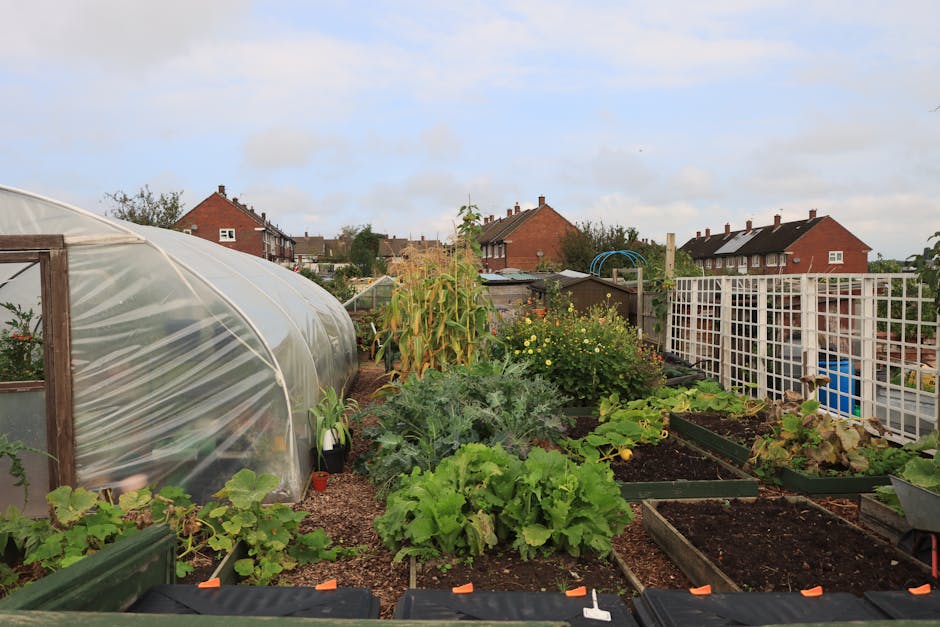
Churchill Gardens Estate gardeners for communal beds: practical care for shared planting spaces
Communal beds can make a housing estate feel calmer, greener, and a lot more cared for, but only if they're maintained with consistency and a proper eye for detail. That is exactly why Churchill Gardens Estate gardeners for communal beds matter. Shared planting areas are not the same as private front gardens: they need regular attention, tidy boundaries, sensible plant choices, and a maintenance plan that works for residents, managers, and the space itself.
If you've ever walked past a bed in early spring and thought, "This looked good in May, so what happened by August?", you already know the problem. Communal planting can slip quickly. The good news is that with the right approach, those beds can stay attractive through the year without turning into a full-time headache for residents or site teams. In this guide, we'll cover how communal bed care works, what to expect from a professional service, the most common mistakes, and how to choose a setup that actually lasts. You'll also find a practical checklist, a comparison table, and answers to the questions people ask most often.
Expert summary: communal beds do best when maintenance is planned, seasonal, and realistic. Keep the design simple, the soil healthy, the weeds down, and the communication clear. A tidy estate bed is rarely an accident.
Why Churchill Gardens Estate gardeners for communal beds Matters
Communal beds are more than decorative borders. On an estate like Churchill Gardens, they shape how the whole place feels. A clean, well-kept bed can soften hard paving, make entrances more welcoming, and give residents a little visual lift on an ordinary weekday morning. A neglected bed, by contrast, tends to spread the feeling of neglect very quickly. We've all seen it: one overgrown corner, a few dead annuals, then a summer of brambles trying their luck.
That's why specialised gardeners for communal beds are useful. They understand that the goal is not just "make it pretty" but maintain a shared outdoor space that looks good, stays safe, and doesn't create extra work for residents or building staff. Communal planting needs repeat visits, clear priorities, and a maintenance style suited to shared ownership. There's no point in planting something glorious if nobody can keep it looking decent after the first flush of growth.
There's also a social side. Neatly managed beds can reduce friction. Residents are less likely to complain about mess, trip hazards, or blocked sightlines. A maintained bed can even encourage people to use the outdoor space more, which sounds small, but it isn't really. Little things add up in a place people live every day.
If you want to see how a broader estate maintenance approach can fit together, the services overview gives a helpful sense of how garden work is usually organised across different property types.
How Churchill Gardens Estate gardeners for communal beds Works
In practice, communal bed care usually starts with a site assessment. A gardener looks at the current condition of the beds, the soil, drainage, sun exposure, planting density, and how much wear the space gets. That sounds straightforward, but it's where the useful decisions begin. A bed that gets lots of foot traffic near a main path needs a tougher plan than a quiet corner bed that mainly serves as a visual feature.
From there, a maintenance schedule is created. For communal planting, the schedule matters almost more than the plant list. Regular visits typically cover:
- weeding before problems spread
- deadheading and light pruning
- checking for pest or disease issues
- mulching or topping up soil cover where needed
- replacing tired or failed plants
- keeping edges neat and access clear
Seasonal work is then layered on top. Spring may involve soil improvement and replanting, summer often needs irrigation checks and deadheading, while autumn and winter focus more on cutting back, tidying, and protecting the bed structure. To be fair, shared beds are often won or lost in these small seasonal jobs. Miss them, and the whole area starts to look tired fast.
Good gardeners also pay attention to communication. Who approves changes? Who decides if a shrub is removed? What happens if access is needed for repair work? These are not glamorous questions, but they matter. A solid routine avoids confusion later, and that makes the whole thing feel much smoother for everyone involved.
For residents and managers who need reassurance around upkeep standards and site visits, it can also help to review health and safety information alongside the practical maintenance plan.
Key Benefits and Practical Advantages
When communal beds are looked after properly, the benefits are immediate and, over time, quite measurable in everyday experience. Not in a flashy way. More in the "this place feels cared for" way that people notice without always saying it out loud.
1. Better appearance throughout the year
Consistent maintenance keeps the beds looking intentional rather than improvised. That means fewer gaps, fewer collapsed stems, and fewer months where one forgotten patch dominates the whole view.
2. Stronger plant health
Regular attention allows issues to be caught early. A bit of mildew, a drying edge, or a pest outbreak is easier to handle when someone is checking the beds properly. Ignore it, and suddenly you're replacing a lot more than you planned.
3. Reduced resident frustration
Shared spaces can be sensitive. Overgrown areas, mess, or poor pruning often become the subject of complaints. A reliable schedule helps remove that tension. People may not praise the bed every week, but they notice when it slips.
4. Better value from planting investment
Professional maintenance helps plants last longer and perform better. In other words, the original planting scheme has a chance to do its job. That's just sensible. Otherwise you spend money twice.
5. Safer, clearer access
Good communal bed care keeps paths, entrances, and sightlines clear. It reduces the chance of awkward overgrowth and makes the space easier to navigate, especially for people carrying bags, pushing buggies, or using mobility aids.
Practical takeaway: in communal gardens, consistency beats drama. A steady maintenance rhythm usually delivers better results than a big seasonal tidy-up done once in a blue moon.
Who This Is For and When It Makes Sense
Churchill Gardens Estate gardeners for communal beds make the most sense when the space is shared, visible, and expected to stay presentable without depending on one enthusiastic resident doing everything. That last part is important. Enthusiastic residents are wonderful. They also get tired, move away, or disappear for a week and suddenly the weeds are in charge.
This kind of service is typically a good fit for:
- resident management groups
- property managers and block managers
- housing associations
- leaseholder-run communal estates
- caretakers who need specialist support
- sites where front-facing planting affects first impressions
It also makes sense when the planting is already in place but is underperforming. Maybe the structure is fine, but the beds need better discipline. Or perhaps the planting scheme looked lovely two summers ago and has now drifted into a sort of botanical shrug. Happens all the time.
You may need this service if the estate has recurring problems such as:
- weeds returning too quickly
- shrubs becoming too large for the space
- bare patches or failed planting
- overwatering or inconsistent watering
- messy edging and unfinished borders
- residents unsure who is responsible for what
If your main priority is a dependable maintenance rhythm rather than a one-off makeover, a professional route is usually the more stable option. If you are also comparing ongoing garden support with one-off visits, pricing and quotes can help frame the conversation in a practical way.
Step-by-Step Guidance
Here's a simple, realistic way to think about communal bed care. Not glamorous, but it works.
Step 1: Assess the current condition
Start with what is actually there. Note the plant types, bed size, sunlight, drainage, and visible issues. A bed in partial shade with poor soil needs a different approach from a sunny, sheltered border. This step saves money later because it avoids guesswork.
Step 2: Define the goal
Do you want year-round structure, seasonal colour, low-maintenance planting, or a mix? If the answer is "all of the above," that's understandable, but the plan still needs priorities. Shared spaces need realistic goals.
Step 3: Set a maintenance rhythm
Decide how often the beds should be visited. Weekly, fortnightly, or seasonal? For many communal estates, a lighter but regular cycle works better than an occasional deep tidy. Small visits prevent large problems. Simple as that.
Step 4: Tackle the problem areas first
Focus first on weeds, dead growth, and anything compromising appearance or access. Once the basics are under control, the beds can be improved more calmly. There's no sense planting new shrubs into a neglected mess.
Step 5: Improve the soil and surface finish
Healthy beds depend on healthy soil. Mulch, compost, or top dressing may be needed depending on the site. A fresh surface layer also helps with moisture retention and weed suppression. You will notice the difference quite quickly after rain, especially in summer.
Step 6: Replant or reshape where needed
Plants that repeatedly fail should be replaced with varieties that suit the actual conditions. It sounds obvious, but it's one of the most common fixes people skip. The most successful communal beds are usually the ones that respect the site rather than fight it.
Step 7: Review and adjust
After the first cycle or two, review what is working. Are certain corners drying out? Are some plants getting too large? Has the maintenance interval been enough? A good plan is not rigid. It should evolve with the space.
If you want a clearer picture of the wider company background before booking any work, the about us page is a sensible place to start, and the contact us page is the natural next step when you're ready to discuss the site.
Expert Tips for Better Results
In our experience, the best communal beds are not always the most complicated. They are the ones that match the site and the maintenance budget honestly. Here are a few things that make a real difference.
- Keep the planting scheme simple where possible. Repeating a few tough, reliable plants often looks better than trying to cram in too many varieties.
- Use structure as the backbone. Evergreens, small shrubs, and defined edges give a bed shape even when flowers are out of season.
- Mulch at the right time. A neat mulch layer improves the finish and helps reduce watering pressure. Just don't bury plant crowns. That's a classic slip.
- Design for maintenance, not just first impressions. If a bed is beautiful only when no one touches it, it's not truly suitable for communal use.
- Watch the edges. People judge a bed from its outline. Crisp edges can make an ordinary border look much better. Weirdly powerful, really.
- Keep a note of recurring issues. If one section always struggles, there is usually a reason: shade, compaction, dog traffic, shallow soil, or poor drainage.
And one more thing. Don't overreact to every gap. A communal bed is not a museum display. It should be tidy, yes, but it also has to be practical and survivable through London weather, which can change its mood in half an hour.
Common Mistakes to Avoid
Most trouble in communal beds comes from a handful of repeated mistakes. Avoid these and you're already ahead of the game.
Picking plants that need more attention than the site can give
Some plants look fantastic on paper and are a nuisance in real life. If the site doesn't support them, they will keep failing. Better to choose dependable planting than to chase a fantasy border.
Leaving maintenance too long between visits
Weeds, spent blooms, and dead growth build up quickly. Once that happens, a simple tidy becomes a larger restoration job. Regularity saves effort.
Ignoring the bed edges
An untidy edge makes the whole bed feel neglected, even if the planting itself is healthy. Small detail, big impact.
Not planning for access
Communal beds sometimes sit near bins, entrances, utility routes, or paths. If access is not considered, maintenance becomes awkward and the site feels cluttered.
Trying to fix everything at once
When a bed has been neglected, there is a temptation to cut hard, clear everything, and start again. Sometimes that's right. Often, though, a staged approach is better because it keeps the area looking respectable while improvements are made.
Leaving residents in the dark
A tiny bit of communication goes a long way. If works are planned, say so. If a bed will look bare for a short period, explain why. People are usually more patient when they understand the reason.
Tools, Resources and Recommendations
For communal bed maintenance, the tools themselves are fairly ordinary. The value lies in using them regularly and well. A tidy-looking estate bed usually comes from reliable habits rather than fancy kit.
| Need | Useful approach | Why it helps |
|---|---|---|
| Weed control | Hand weeding, regular hoeing where suitable, and mulch cover | Stops small problems turning into large ones |
| Seasonal tidy-up | Pruning shears, secateurs, and careful cut-back routines | Keeps growth neat without stressing plants |
| Soil improvement | Compost, organic matter, or top dressing depending on need | Supports stronger roots and better moisture balance |
| Bed definition | Edging tools and clear border lines | Improves the overall finish immediately |
| Ongoing monitoring | Simple site notes and repeat inspections | Helps spot recurring issues before they spread |
There are also a few service pages worth knowing about if you want the practical and administrative side to feel organised. For example, recycling and sustainability is useful if you care about green waste handling and a lighter environmental footprint. And if you want to understand how the business handles site safety and risk, insurance and safety is worth a look.
One small but useful recommendation: keep a simple record of what was planted, what was removed, and which areas tend to need the most attention. It sounds boring. It is boring. It also saves you from repeating the same mistakes next season.
Law, Compliance, Standards, or Best Practice
For communal beds, the main compliance issue is usually not some dramatic legal hurdle. It is getting the basics right: safe working practices, clear responsibilities, and sensible care for a shared residential space. In the UK, that means any contractor working on site should follow appropriate health and safety procedures, use suitable equipment, and handle waste responsibly. If access is limited or the site is busy, the risk assessment should reflect that.
From a best-practice point of view, you want a gardener or maintenance team that can explain how they manage:
- manual handling of soil, compost, and green waste
- tool safety and secure storage
- safe movement around residents and visitors
- tidy working practices to reduce trip hazards
- waste collection and recycling where appropriate
- clear communication about planned works
For shared estates, transparency matters too. If a service includes terms, pricing, payment, or site access arrangements, those should be clear before work begins. That's not just tidy business practice; it protects everyone from confusion later. You can review the relevant terms and conditions and payment and security information if you want the administrative side handled properly.
Accessibility is another practical consideration. Communal beds should not make entrances, paths, or shared routes harder to use. If you're checking whether a service is set up to support different user needs, the accessibility statement is a useful supporting page. It's one of those things people don't think about until they need it, then suddenly it matters very much.
And if anything ever feels unclear during a project, a proper complaints procedure is a sign of a service that takes accountability seriously. Not exciting, but reassuring.
Options, Methods, or Comparison Table
There are a few common ways to manage communal beds. The best one depends on how visible the site is, how much upkeep the beds need, and what sort of finish you're aiming for. Here's a straightforward comparison.
| Approach | Best for | Pros | Trade-offs |
|---|---|---|---|
| Basic tidy-only visits | Low-budget sites with simple planting | Cheap, fast, easy to schedule | Does not improve weak planting schemes much |
| Regular maintenance cycle | Most communal beds | Reliable appearance, better plant health, less build-up | Needs ongoing budget and coordination |
| Seasonal overhaul | Bed renovation or neglected areas | Good for resetting tired spaces | Can be disruptive and not enough on its own |
| Low-maintenance redesign | Sites with limited upkeep capacity | More sustainable long term, fewer intensive visits | May take time to establish and cost more initially |
For many estates, the regular maintenance cycle is the sweet spot. It keeps things under control without the cost or disruption of constant major interventions. If you're not sure which route makes sense, it's often worth comparing your current workload against a more structured maintenance plan. That comparison alone can clarify things.
Case Study or Real-World Example
Picture a typical shared bed near an estate entrance. It has a few shrubs, some seasonal planting, and a patch that used to be full but now has gaps where plants have failed. Residents pass it every day, so the decline is obvious. At first, it's just a little untidy. Then weeds start showing. Then a couple of stems collapse after rain. Then someone says it looks "a bit neglected," which is usually the point where everyone notices at once.
A sensible maintenance response would not begin with a dramatic redesign. It would start with a basic reset: remove dead material, clear weeds, trim the shrubs carefully, check the soil, and identify what is actually surviving. After that, the bed could be refreshed with plants suited to the conditions, plus a mulched finish and a realistic visit schedule. Within a few weeks, the space would feel calmer and more deliberate again.
That's the bit people underestimate. You do not always need a grand plan. Sometimes you need consistent hands and a decent eye. The before-and-after is less about spectacle and more about relief. And honestly, that can be a pretty big win in a busy residential setting.
Practical Checklist
Use this checklist if you're reviewing communal bed care on Churchill Gardens Estate or a similar shared site.
- Inspect the beds in person before deciding on any changes.
- Check access routes so maintenance will not block paths or entrances.
- Confirm the maintenance frequency needed to stay ahead of weeds and seasonal growth.
- Identify plant failures and replace them with more suitable choices.
- Review soil condition and add organic matter or mulch where appropriate.
- Set clear responsibilities for approvals, visits, and follow-up work.
- Keep the edges neat because a clean outline changes everything.
- Plan for seasonal work such as cut-back, replanting, and winter tidy-ups.
- Use safe working practices for tools, waste, and resident access.
- Reassess after a few visits and adjust the routine if the beds still struggle.
If you're at the stage where you want to discuss the site properly, it helps to have a team that can explain their process clearly and give a realistic quote. No fluff, no drama.
Get a free quote today and see how much you can save.
Conclusion
Churchill Gardens Estate gardeners for communal beds are about much more than basic weeding. They help turn a shared outdoor space into something dependable, tidy, and genuinely pleasant to live alongside. The best results come from steady maintenance, sensible planting, and clear communication with the people who use the space every day.
If you remember one thing, let it be this: communal beds work best when they are designed and maintained for real life, not for a one-week snapshot in spring. That means choosing the right plants, keeping a regular rhythm, and not letting small issues snowball. Done properly, the beds stop feeling like a problem and start feeling like part of the estate's character.
And that's a lovely shift, really. Quietly helpful. The kind of thing people notice without always naming it.
Frequently Asked Questions
What do Churchill Gardens Estate gardeners for communal beds actually do?
They maintain shared planting areas through tasks like weeding, pruning, deadheading, edging, seasonal cut-backs, soil care, and replacing failed plants. The aim is to keep communal beds tidy, healthy, and suitable for a shared residential setting.
How often should communal beds be maintained?
It depends on the planting and the site conditions, but most communal beds benefit from regular visits rather than occasional heavy work. Weekly or fortnightly attention is often more effective than waiting until things look bad.
Are communal beds harder to manage than private gardens?
Usually, yes. Shared beds have more people relying on them, more foot traffic, and more pressure to stay presentable. They also need a practical approach because multiple people may be involved in decisions.
Can overgrown communal beds be restored?
Yes, in many cases they can. A restoration plan may involve clearing weeds, pruning back shrubs, improving the soil, and replanting weak areas. Sometimes a full reset is needed, but not always.
What makes a communal bed low maintenance?
Low-maintenance beds usually use tough, reliable plants with good ground cover, simple structure, and a layout that suits the site. The main idea is to reduce constant corrective work while keeping the area attractive.
Do communal beds need different plants from private gardens?
Often they do. Shared spaces usually benefit from plants that are resilient, tidy in form, and not too fussy about regular attention. The best choice depends on light, soil, and how much upkeep the site can realistically support.
How do I know if the beds need a redesign rather than routine maintenance?
If the same problems keep returning, such as poor plant survival, bare patches, or constant overgrowth, a redesign may be worth considering. Routine care can only do so much if the original planting was never suited to the site.
What should I ask before booking communal bed maintenance?
Ask how often visits will happen, what work is included, how waste is handled, what the pricing covers, and how changes are approved. Clear answers upfront save a lot of trouble later.
Is sustainability important for communal bed care?
Yes, especially in shared spaces where waste, watering, and plant choice all matter. Sustainable maintenance often means sensible pruning, responsible green waste handling, and choosing plants that are likely to thrive without excessive inputs.
What if residents disagree about how the beds should look?
That happens more often than people admit. The best solution is usually to agree on a simple, workable standard: tidy, healthy, and manageable. Too many opinions can turn a garden into a committee, and nobody wants that.
How do health and safety concerns affect communal garden work?
They affect everything from tool use to access routes and waste handling. A professional service should work in a way that keeps residents and staff safe, with clear procedures for site visits and maintenance activities.
How do I start if the beds are currently in poor condition?
Start with an assessment, then prioritise the worst areas first. Once weeds, dead material, and obvious failures are under control, you can make a more sensible plan for planting and ongoing maintenance. It does not all need to happen in one go.