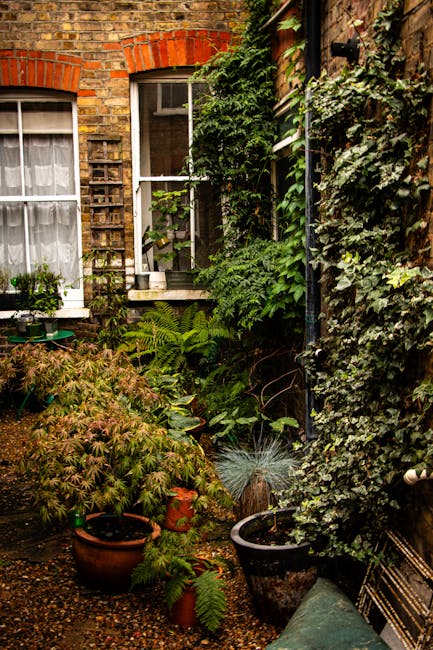
Pimlico gardeners near Pimlico Tube Station for small yards: a practical guide for compact city gardens
If you live close to Pimlico Tube Station, you already know the rhythm of the area: busy streets, tight spaces, and outdoor areas that often have to work a lot harder than they look. That is exactly why Pimlico gardeners near Pimlico Tube Station for small yards can make such a difference. A modest courtyard, narrow garden, or tucked-away terrace does not need a grand redesign to feel special. It needs the right kind of care, the right planting choices, and a plan that respects the space you actually have.
This guide breaks down what matters most for small yards in Pimlico, how professional garden help works in practice, and what to look for before you book. You will also find a comparison table, a step-by-step approach, a real-world example, and a checklist you can use straight away. If you are comparing services, it may also help to start with the services overview, then look at pricing and quotes once you know what you need.
Table of Contents
- Why Pimlico gardeners near Pimlico Tube Station for small yards matters
- How Pimlico gardeners near Pimlico Tube Station for small yards works
- Key benefits and practical advantages
- Who this is for and when it makes sense
- Step-by-step guidance
- Expert tips for better results
- Common mistakes to avoid
- Tools, resources and recommendations
- Law, compliance, standards, or best practice
- Options, methods, or comparison table
- Case study or real-world example
- Practical checklist
- Conclusion
- Frequently asked questions
Why Pimlico gardeners near Pimlico Tube Station for small yards Matters
Small yards are easy to underestimate. People often see a compact outdoor space and assume there is not much to do, but that is rarely true. In fact, small gardens can be the most demanding ones. Every plant, line, pot, and hard surface is visible all the time. There is nowhere for a poor layout to hide. One awkward corner can make the whole space feel cramped. One thirsty shrub can quickly dominate the light. One heavy planter can block access.
That is why local knowledge matters. Pimlico has a very urban feel in many streets around the station, with gardens that may be shaded, overlooked, narrow, or exposed to reflected heat from nearby buildings. A gardener who understands small London yards will tend to think differently from someone used to larger suburban plots. They will notice drainage, shade patterns, access for tools, and whether a planting scheme will still look good in late autumn, not just in May.
To be fair, this is where many homeowners get stuck. They want the yard to look neat and inviting, but they do not want anything overcomplicated. Fair enough. You may only need one decent pruning visit, a seasonal refresh, or a tidy-up plan that keeps the space under control without turning it into a full-time project. The point is not to do more gardening. The point is to make the space work better.
For customers who prefer a clear relationship with a local provider, it can also help to read a little about the team behind the service. The about us page and the insurance and safety information are sensible places to start. They tell you a lot about how seriously a company handles small jobs, tidy working practices, and site protection.
How Pimlico gardeners near Pimlico Tube Station for small yards Works
Good small-yard gardening usually starts with observation. Not much glamorous about that, but it works. A gardener will usually look at sunlight, access, soil condition, existing planting, and how you use the yard day to day. Do you want a spot for morning coffee? A low-maintenance frame of greenery? A place for pets, children, or a folding table? Those details matter more than people expect.
In a compact yard, a practical approach often includes some combination of:
- tidying and cutting back overgrown plants
- rescuing tired containers or replacing plants that are struggling
- improving soil with compost or mulch where needed
- refreshing edges, borders, or paving joints
- choosing smaller-scale plants that suit the space
- creating a simple maintenance rhythm that is realistic for city living
That last point is the one people often miss. A small yard should not need heroic effort to stay presentable. If the planting scheme needs constant rescue, it is the wrong scheme. A good gardener will balance looks with maintenance, which is especially useful when you are close to the station, where life is often rushed and time is not unlimited.
There is usually also a practical discussion about budget and frequency. Some yards need one-off help every season. Others benefit from regular light maintenance, especially in spring and early summer when growth suddenly picks up and everything gets a bit wild, quickly. If you want to plan properly, the pricing and quotes page can help you understand how services are typically approached, while contact us is the natural next step if you want to describe the space and ask for advice.
Key Benefits and Practical Advantages
Hiring gardeners for a small yard near Pimlico Tube Station is not only about making it prettier. Honestly, it often changes how the whole property feels. A well-kept outdoor space can make a flat more enjoyable, a rental more appealing, and a home feel less boxed in. In compact London settings, that matters a lot.
Here are the benefits people usually notice first:
- Better use of space - plants, paving, pots, and seating can be arranged so the yard feels larger and easier to move around.
- Less maintenance stress - a sensible planting plan cuts down the constant trimming, deadheading, and guesswork.
- Improved light and flow - careful pruning and layout choices can make a shaded yard feel brighter and less cramped.
- Healthier plants - the right soil care, pruning, and watering routine usually reduce plant decline.
- Cleaner boundaries - tidy edges, controlled climbing plants, and managed growth make the whole space look intentional.
There is also a psychological benefit. A tiny yard that feels organised can be surprisingly calming. You step outside with a cup of tea, hear the distant city noise, and the space just feels settled. Not huge. Just right. That is the sweet spot.
Expert summary: In small Pimlico yards, the best gardening work is rarely about adding more. It is about editing, simplifying, and making every square metre count.
If sustainability matters to you, it is worth checking whether your gardener thinks in the same way. A sensible provider should be happy to talk about green waste handling and responsible material choices. You can read more on the company's recycling and sustainability page.
Who This Is For and When It Makes Sense
This kind of service suits a wide range of people, not just homeowners with a "garden problem." In fact, most of the people who ask for help in small yards are simply trying to make the space easier to live with. That is a very normal ask.
It makes sense if you are:
- living in a flat or townhouse with a compact yard or courtyard
- trying to make a small rental garden look presentable
- preparing a property for viewing or sale
- short on time but still want the space to feel welcoming
- dealing with overgrown borders, patio weeds, or tired pots
- planning a simple planting refresh rather than a full redesign
It also makes sense if you have tried to manage the yard yourself and keep hitting the same issues. Maybe the herbs keep failing. Maybe one shady corner is always bare. Maybe you are forever sweeping leaves off paving and never quite catching up. That is exactly the sort of thing a local gardener can help untangle.
For landlords and managing agents, a small yard can become a silent problem. It does not need much neglect before it starts looking tired. A regular tidy-up or seasonal maintenance visit can protect the overall impression of the property. Small space, big effect. That is the reality.
Step-by-Step Guidance
Here is a straightforward way to approach small-yard gardening near Pimlico Tube Station without making it complicated.
- Assess the space honestly. Note what the yard gets: sun, shade, wind, or reflected heat. Also note access, drains, wall condition, and whether you use the space for sitting, storage, or planting.
- Decide the main goal. Do you want low maintenance, more colour, better privacy, or a cleaner finish? A yard can do several of these things, but one main goal keeps the plan sensible.
- Remove or reduce what is not helping. Old pots, weak plants, dead climbers, and cluttered furniture can make a small area feel much smaller.
- Keep structure simple. In a tiny yard, a few strong shapes usually work better than lots of small, fussy details.
- Choose plants for the conditions. Shade-tolerant, compact, or container-friendly plants are often the best fit. A plant that looks lovely in a nursery can still fail miserably in a windy courtyard. Annoying, but true.
- Set a maintenance rhythm. Even a good garden needs watering, pruning, and occasional refreshes. Decide whether you want a one-off job or ongoing support.
A sensible gardener will usually help you prioritise rather than pile on extras. That is a good sign. If every recommendation sounds expensive, complicated, and impossible to maintain, pause for a second. The best solution is the one you will actually keep up with.
If you are unsure where to start, a simple conversation with the team through contact us can save time later. It is better to explain the actual yard than to guess from a vague idea in your head. Most of us do that anyway.
Expert Tips for Better Results
Here is where small yards quietly reward experience. The details matter. A lot.
Think vertically, not just horizontally
When ground space is limited, walls, trellises, rail planters, and trained climbers can add texture without swallowing the yard. The trick is not to overfill every surface. Leave some breathing room. A small yard needs pause as much as planting.
Use repetition for calm
Instead of a dozen different plant types, try repeating a smaller palette. That creates a tidier look and makes maintenance easier. Repetition also makes the yard feel more intentional, which is handy in compact settings where visual clutter builds up fast.
Choose containers with care
Big enough for root health, light enough to move if needed, and suited to the style of the space. A tiny pot with a thirsty plant is a classic mistake. So is buying ten different pots because they all looked good on Saturday morning. Happens all the time.
Prune lightly but regularly
In small yards, a little pruning done at the right time often beats a dramatic cutback later. Regular maintenance keeps edges neat and prevents growth from swallowing the usable space.
Plan for winter, not just summer
Many small gardens look fine in June and a bit sad by November. Evergreen structure, winter texture, and tidy hard landscaping make the space feel cared for even when the flowers are gone.
One more thing: ask about how green waste is handled. Responsible disposal is a simple but telling detail. A professional should be clear about their working standards, and you can check practical commitments through the site's health and safety policy and recycling and sustainability information.
Common Mistakes to Avoid
Small yard projects often go sideways for the same reasons. The good news is that they are easy enough to avoid once you know what to watch for.
- Overplanting. Too many plants crowd a compact space and make routine care harder.
- Ignoring shade and drainage. A plant in the wrong place will struggle, no matter how nice it looked at purchase.
- Buying features before fixing structure. Decorative items are lovely, but the bones of the garden come first.
- Choosing high-maintenance planting by accident. Beautiful? Yes. Practical? Maybe not.
- Letting climbers run wild. They can be brilliant in small yards, but only if they are trained and pruned properly.
- Skipping a maintenance plan. Even the neatest yard will drift if no one returns to it.
A tiny garden has one slightly cruel trait: it shows every mistake immediately. The upside is that improvements show just as fast. A clean edge, one healthy specimen plant, or a better layout can transform the feel of the yard in a day. A bit dramatic, but true.
Tools, Resources and Recommendations
You do not need a shed full of specialist kit to maintain a small yard, but the right tools do make life easier. For most compact gardens, the essentials are simple and practical:
- secateurs for light pruning and deadheading
- a hand fork and trowel for container work
- a sturdy watering can or hose with controlled flow
- a broom or leaf collector for paved areas
- gloves that actually fit, which sounds obvious until you are fighting with them
- good compost and mulch for planting support
For larger tidy-ups or recurring maintenance, professional help is often more efficient than buying tools you will only use a few times a year. A good gardener can usually advise whether a one-off clear-up, a seasonal refresh, or a regular maintenance visit is the best fit.
If you want to understand the company's working standards before booking, the most useful pages are usually services overview, about us, and insurance and safety. Those are the pages that help turn a general interest into a confident decision.
Law, Compliance, Standards, or Best Practice
For small-yard gardening, compliance is usually more about safe, careful working than about complex paperwork. That said, it still matters. A trustworthy gardener should treat the property respectfully, work safely, and communicate clearly about what is included in the job.
In practical terms, good standards usually mean:
- using tools safely and keeping walkways clear while working
- handling waste responsibly
- protecting surfaces, doors, and access routes where necessary
- being clear on scope, timing, and what happens if extra work is needed
- acting within fair business practices and transparent payment terms
It is sensible to review a company's published policies before booking, especially if you are hiring for an occupied property or arranging access while you are not home. Pages such as terms and conditions, payment and security, and privacy policy are not exciting reading, let's be honest, but they do help you understand how the service is run.
If you ever need to raise a concern, a proper complaints route is a good sign rather than a bad one. It suggests the business expects to handle things professionally. You can review the complaints procedure if that matters to your decision.
Options, Methods, or Comparison Table
When you are looking at gardening support for a small Pimlico yard, the choice is usually less about "which is best" and more about which approach suits your space and schedule. Here is a simple comparison.
| Approach | Best for | Pros | Limitations |
|---|---|---|---|
| One-off tidy-up | Overgrown or neglected small yards | Fast visual improvement, clear starting point | Needs follow-up if you want lasting results |
| Seasonal maintenance | Yards that are already fairly manageable | Keeps growth under control, good value over time | Less transformative than a full refresh |
| Planting refresh | Spaces that look tired but are structurally fine | Improves colour, texture, and style | Can take a little time to establish |
| Light design and layout help | Very cramped yards or awkward layouts | Better flow, better use of limited space | May require more planning upfront |
In practice, many people combine two of these. For example, a tidy-up plus a planting refresh can be a smart way to get both immediate improvement and longer-term structure. Straightforward, really.
Case Study or Real-World Example
Here is a realistic small-yard scenario, without dressing it up too much.
A resident near Pimlico Tube Station had a narrow courtyard that felt dark and slightly forgotten. There was a patchy climber on one wall, several mismatched pots, and a few plants that had clearly been surviving rather than thriving. The owner wanted the space to look neat from the kitchen window and usable for a small table and chairs, especially in the warmer months.
The first step was clearing dead material and cutting back the climber so it no longer crowded the wall. That immediately made the yard feel less heavy. Next came a simple planting plan with a small number of reliable plants in grouped containers, rather than a scattered mix of one-offs. The final stage was a light layout adjustment so there was a clearer walkway and a better sense of proportion.
The result was not a "magazine garden." Good. It did not need to be. It became a calm, tidy, easy-to-care-for space that felt larger than before. The owner could sit outside without feeling boxed in. Sometimes that is the real win. Not drama. Just ease.
That sort of job is exactly where local experience counts, because the difference between a pleasant courtyard and a cluttered one can be one poor planting choice or one badly placed pot. Small spaces are unforgiving like that, but also very rewarding when handled well.
Practical Checklist
Use this checklist before you book gardeners for a small yard near Pimlico Tube Station.
- Have I decided whether I want a one-off job or ongoing maintenance?
- Do I know what the yard is for: seating, planting, privacy, or simple neatness?
- Have I checked sunlight, shade, and drainage issues?
- Do I know which parts of the yard feel most urgent?
- Have I thought about how much maintenance I can realistically keep up?
- Have I reviewed the company's services overview?
- Have I looked at pricing and quotes before requesting work?
- Do I understand the firm's safety and working standards?
- Have I checked the insurance and safety information?
- Have I made a simple note of access instructions, gate codes, or parking constraints if relevant?
If you can answer most of those with confidence, you are already in a strong position. If not, no problem. That is what a proper initial conversation is for.
Get a free quote today and see how much you can save.
Conclusion
Pimlico gardeners near Pimlico Tube Station for small yards are most valuable when they bring clarity to a space that feels cramped, awkward, or a bit tired. The best results usually come from simple decisions done well: the right plants, the right scale, a tidy layout, and a maintenance plan that does not ask too much of you.
If you are comparing options, keep the focus on practicality. Ask what will work in your yard, what will be easy to maintain, and what will still look good after a few weeks of ordinary weather. That is the real test. Not the perfect first impression, but the everyday one.
And if the space has been annoying you for ages, that is fine too. Small yards can be transformed quietly, without fuss. Sometimes that is the best kind of change.
Frequently Asked Questions
What do Pimlico gardeners near Pimlico Tube Station for small yards usually help with?
They usually help with tidying, pruning, planting refreshes, container care, weed control, lawn alternatives, and layout improvements for compact outdoor spaces.
Is a small yard worth professional gardening help?
Yes, especially if the space is awkward, shaded, overgrown, or used often. Small yards can benefit a lot from a smarter layout and regular care.
How often should a small city yard be maintained?
It depends on planting and use, but many compact gardens benefit from seasonal visits or light regular maintenance to stop growth from getting ahead of you.
What makes small-yard gardening different from larger garden work?
Small yards need tighter planning. Every plant and object is more visible, so scale, proportion, and maintenance choices matter more than in larger spaces.
Can a gardener help make a tiny yard look bigger?
Yes. Careful pruning, simpler planting, vertical features, and cleaner layout lines can all make a small yard feel more open and balanced.
What should I ask before booking a gardener?
Ask what is included, how the work will be approached, whether they have insurance and safety information, and whether they can support your space over time.
Do I need a full redesign for a small courtyard?
Not always. Many small yards only need a tidy-up, a few plant replacements, and a better maintenance routine. A full redesign is only needed if the layout is fundamentally not working.
Are container plants a good choice for Pimlico yards?
Often, yes. Containers can be ideal where ground planting is limited, but they need the right size, drainage, and watering attention.
How do I keep a small yard low maintenance?
Choose fewer plant types, use repeat planting, avoid overcrowding, and pick plants suited to the light and exposure. Keep the layout simple too.
What should I do if my yard is very shaded?
Pick shade-tolerant plants, avoid expecting sun-loving species to thrive, and use pruning to improve light where possible. Shady yards can look excellent with the right planning.
How do I compare quotes fairly?
Compare the scope of work, frequency, materials, and any follow-up advice. A cheaper quote is not always better if it misses key tasks.
What if I only need a one-off tidy-up?
That is very common. A one-off job can be the best choice for a yard that has become cluttered or overgrown and simply needs a reset.
Can I read more about the company before I contact them?
Yes. The most useful pages are usually about us, services overview, and contact us. They help you understand who you are dealing with and what to expect.
What if I have concerns after the job is done?
It is sensible to check the company's published complaints procedure. A clear process is a good sign that the business takes customer issues seriously.
For a compact Pimlico yard, the goal is not perfection. It is a space that feels calm, usable, and genuinely yours. And that, truth be told, is enough to make a big difference.