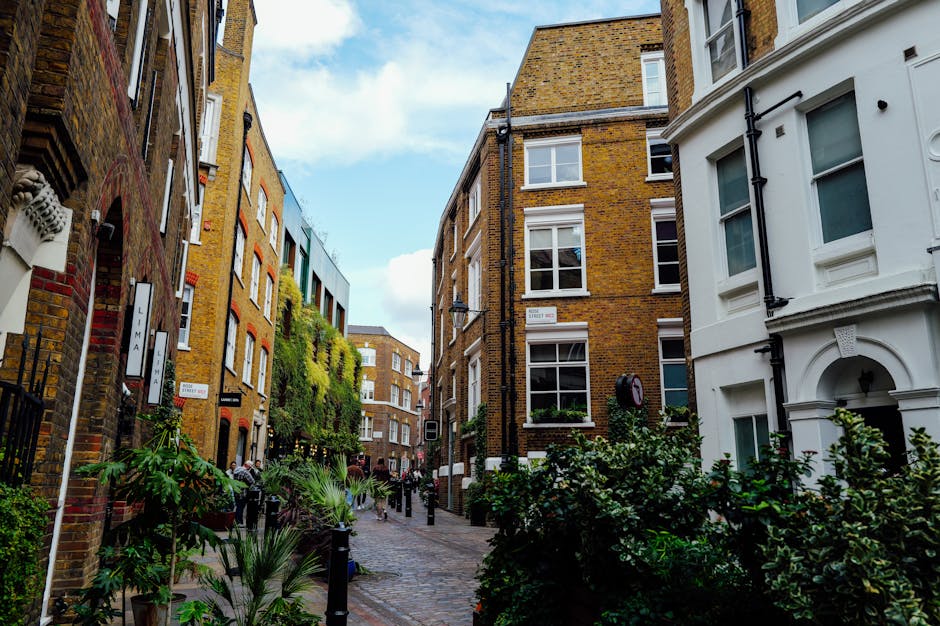
Pimlico Road gardeners for terrace and front garden care
Terrace gardens and front gardens in Pimlico can look deceptively simple. A pot or two, a narrow border, maybe a clipped hedge, and that's that. But anyone who has tried to keep a compact London garden tidy through wind, shade, hard surfaces, foot traffic, and a very mixed calendar of seasons knows the truth: these spaces need consistent, thoughtful care. That is where Pimlico Road gardeners for terrace and front garden care can make a real difference.
This guide walks through what proper terrace and front garden care involves, why it matters in a neighbourhood like Pimlico, how the work is usually carried out, and what to look for if you want reliable results rather than a quick tidy-up that falls apart two weeks later. You'll also find a practical checklist, comparison table, and a few real-world examples to help you decide what kind of support makes sense for your space.
In other words: if you want your front approach to feel calm, welcoming, and well-kept, and your terrace to stay usable rather than becoming a neglected corner, you're in the right place.
Contents
- Why Pimlico Road gardeners for terrace and front garden care Matters
- How Pimlico Road gardeners for terrace and front garden care Works
- Key Benefits and Practical Advantages
- Who This Is For and When It Makes Sense
- Step-by-Step Guidance
- Expert Tips for Better Results
- Common Mistakes to Avoid
- Tools, Resources and Recommendations
- Law, Compliance, Standards, or Best Practice
- Options, Methods, or Comparison Table
- Case Study or Real-World Example
- Practical Checklist
- Conclusion
- Frequently Asked Questions
Why Pimlico Road gardeners for terrace and front garden care Matters
Terraces and front gardens carry more weight than their size suggests. They're the first thing you see when you arrive home. They also shape how a property feels from the street, which is especially important in a place like Pimlico where presentation, proportion, and restraint tend to matter more than flashy planting.
Front garden care is not just about looks, though. It's about keeping access clear, reducing trip hazards, helping planting survive in pots or shallow beds, and preventing small issues from turning into messy ones. A terrace left unattended can quickly become slippery, weedy, patchy, or cluttered with dead foliage and tired containers. It starts with a few leaves in the corners. Then, before you know it, the whole place feels a bit sad. Bit by bit, it happens.
Good gardening support also matters because compact urban spaces tend to be less forgiving. Soil dries out quickly in containers. Wind funnels between buildings. Shade from railings, walls, and neighbouring properties can confuse planting choices. Add seasonal leaf drop, occasional bird mess, and the usual London dust, and you have a space that needs regular, practical care rather than occasional attention.
For many homeowners, landlords, and residents' associations, the value is simple: a neat front garden and terrace create a better everyday experience and reduce the chance of avoidable repair work later. If you want a broader view of what an ongoing service can cover, the garden maintenance page is a useful place to start.
How Pimlico Road gardeners for terrace and front garden care Works
Most terrace and front garden care follows a straightforward but careful process. The exact mix depends on the site, but the pattern is usually similar: assess the space, identify what needs attention, carry out the tidy-up or maintenance, then set a rhythm for keeping things under control.
In practical terms, the work may include pruning, deadheading, cutting back soft growth, sweeping paved areas, edging small beds, checking containers, removing green waste, and making sure paths and entrances are safe to use. If hedges frame the front of the property, light shaping can make a huge visual difference. If the garden has become overgrown, a more intensive clearance may be needed first, which is where garden clearance can be the better option.
There's also a difference between one-off recovery and steady care. One-off work is useful when a terrace has been neglected, when you are preparing a property for sale or letting, or when the garden has simply outgrown the available time at home. Ongoing care is better when you want the space to stay composed all year, especially in a front garden that acts almost like a visual handshake with the street.
For taller greenery, boundaries, or front-facing hedges, services such as hedge trimming can keep lines clean and prevent the space from feeling closed in. And if you're dealing with lawn sections rather than hard paving, regular lawn mowing helps keep the whole area crisp and manageable.
Key Benefits and Practical Advantages
People often think the main benefit is kerb appeal. That's true, but it's only the start.
1. A more welcoming entrance. A neat front garden changes how the property feels before anyone even steps inside. Clean paving, tidy planting, and well-shaped shrubs make a place look cared for.
2. Less stress week to week. A terrace or front garden that gets light but regular attention is much easier to manage than one left to build up problems. Small jobs stay small.
3. Better use of limited space. In compact London gardens, every square metre matters. Good care helps you keep circulation routes open, pots in the right place, and planting balanced rather than crowded.
4. Lower risk of slips, trips, and blocked access. Wet leaves, loose stems, broken pots, and creeping growth can all create avoidable hazards. A professional eye catches these things early.
5. Healthier planting. The right pruning, feeding, and seasonal reset can make plants perform better in difficult conditions. That sounds obvious, but it's often where quick DIY jobs fall short.
6. Better planning for future improvements. Once a front garden is under control, you can see what it actually needs. Maybe the soil is tired. Maybe the containers are too small. Maybe the layout is the issue, not the plants. It's much easier to judge with a clear view.
There's also a trust factor. A clean, well-run front garden tends to reassure visitors, residents, and neighbours. It says somebody is paying attention. And in a busy street, that matters more than people admit out loud.
Expert summary: If your terrace or front garden only looks good immediately after a big tidy-up, the underlying system probably needs improving. The goal is not one perfect afternoon. It's reliable, repeatable care that holds up between visits.
Who This Is For and When It Makes Sense
Terrace and front garden care is useful for a wide range of property types. It is not only for large houses or high-maintenance gardens. In fact, the smaller the space, the more useful consistent help can be.
This service makes sense if you are:
- a homeowner who wants a neat entrance without spending every weekend on it
- a landlord preparing a property for new tenants or regular inspections
- a busy professional who values a tidy outside space but lacks time to maintain it
- an older resident who prefers a safer, lighter maintenance routine
- a flat owner or managing agent looking after shared frontage or terrace access
- someone recovering a neglected space after a season of growth or bad weather
It also makes sense if you have awkward conditions. North-facing terraces, shaded front gardens, narrow access, awkward steps, and mixed hard landscaping can all make maintenance more fiddly than it looks. To be fair, those are exactly the spaces that benefit most from someone who knows what they are doing.
If your outside area includes paving, raised structures, or decked zones, you may also want to think beyond planting and upkeep. In that case, the decking services page can help you consider how structural surfaces and soft landscaping work together.
Step-by-Step Guidance
If you want terrace and front garden care to feel organised rather than chaotic, it helps to think in stages. Here's a practical way to approach it.
1. Start with a quick assessment
Walk the space slowly. Look for dead material, weeds, overgrown shrubs, blocked drains, broken pots, uneven surfaces, and plants that have simply outgrown their place. Ask yourself: what needs attention now, and what can wait another few weeks?
2. Decide whether it needs a tidy or a reset
A light maintenance visit is enough when growth is controlled and the structure is sound. A reset is better if the garden has become cluttered, the soil looks tired, or the terrace has accumulated years of containers and debris. If the second option sounds familiar, you probably need a stronger intervention first.
3. Clear the space safely
Remove anything that is damaged, unsafe, or in the wrong place. This includes broken planters, fallen branches, dead annuals, and garden waste that has built up in corners. Keep pathways open while work is underway. No one enjoys stepping around a mystery pile of stems at 9 a.m.
4. Cut back, shape, and tidy
Prune shrubs carefully, edge borders, deadhead faded flowers, and sweep hard surfaces. For front gardens, shaping often matters as much as cutting. Clean lines make even a modest space feel intentional.
5. Refresh the planting structure
Replace weak seasonal plants, top up containers, and check whether the mix of plants suits the light levels. A sunny terrace and a shaded front garden need very different choices. That mismatch is one of the most common reasons people end up disappointed.
6. Check the finishing details
After the main work, look at sightlines, entrance points, and the overall balance of the space. Is the front path inviting? Is the terrace easy to move through? Are there any bare patches that need a quick visual lift?
7. Set a maintenance rhythm
Regular care beats heroic rescue jobs, every time. Depending on the garden, that might mean weekly, fortnightly, or seasonal visits. A sensible rhythm keeps the work lighter and the result more consistent.
Expert Tips for Better Results
Good terrace and front garden care is often about small decisions, not dramatic ones. A few practical habits make a noticeable difference.
- Choose plants for the light you actually have. Don't fight the site. If the space is shaded, dry, or windy, choose accordingly.
- Use containers with drainage. Beautiful pots are no help if water sits in the bottom and damages roots.
- Keep the entrance line uncluttered. The eye reads clutter very quickly in a small front area.
- Mulch where possible. It helps moisture retention and gives beds a more finished look.
- Prune for shape, not just size. A badly reduced shrub can look harsher than a slightly larger one.
- Watch for seasonal timing. Winter tidy-ups and late-spring refreshes often need different priorities.
- Protect hard surfaces. Moss, algae, and soil buildup can make terraces slippery and harder to maintain.
One small but important point: don't overplant because the space feels empty in winter. That urge is understandable. But cramming too much in usually creates a mess by midsummer. Give each plant room to breathe. It looks calmer and tends to stay healthier too.
If you're aiming for a more complete visual redesign rather than routine maintenance, it can be worth looking at broader landscape gardening or landscaping support. Those approaches are especially useful when hard landscaping, planting, and layout all need to work together.
Common Mistakes to Avoid
A lot of front garden problems are caused by good intentions carried out in the wrong order. Happens all the time.
Overcutting shrubs. Hard pruning at the wrong time can leave a front garden looking bare and stressed. Some plants recover well, others really don't.
Choosing plants for appearance alone. A beautiful plant that hates shade, wind, or dry soil is a short-term win and a long-term headache.
Ignoring the hard surfaces. Paving, steps, and edges are part of the garden too. If they're grubby or unsafe, the whole space suffers.
Letting containers become storage. It starts with one spare can, then a broken chair, then a bag of compost from six months ago. You know the rest.
Skipping regular waste removal. Small piles of clippings and leaves become damp, messy, and unattractive fast, especially in a terrace setting.
Trying to fix structural issues with planting. If the layout is wrong, plants will not save it. That's just honest.
Forgetting access and safety. A front garden should be easy to use, especially for deliveries, visitors, and day-to-day comings and goings.
Tools, Resources and Recommendations
You do not need a huge toolkit to maintain a compact terrace or front garden well. In many cases, the best tools are the ones that help you work cleanly and consistently.
Useful basics often include:
- hand shears for detail pruning
- a sturdy broom for hard surfaces
- gloves that actually fit properly, which sounds small but matters
- a watering can or hose setup that reaches the whole space
- secateurs for deadheading and light trimming
- containers, saucers, or raised planters suited to the space
- simple waste bags or bins for regular green waste removal
For homeowners who prefer a managed service, the most useful pages to review are often services overview, garden maintenance, and pricing and quotes. That combination gives you a sense of what can be covered, how the work is framed, and how budgeting might work.
If your garden has become seriously overgrown, or if you've recently inherited a neglected frontage, the right starting point may be clearance rather than cosmetic tidy-up. A phased approach usually saves time in the end.
Law, Compliance, Standards, or Best Practice
For terrace and front garden care, the main compliance concerns are usually practical rather than complicated. That said, they still matter.
First, there is a safety duty in the everyday sense: paths, steps, entrances, and shared areas should be kept reasonably clear and safe to use. If a property is rented or managed, that responsibility becomes even more important. Loose paving, obstructed access, and unmanaged growth can all create avoidable problems.
Second, waste should be handled properly. Green waste, soil, and removed plant material should be disposed of in line with standard local practice and responsible waste handling. Reuse and recycling are worth thinking about too, which is why recycling and sustainability is a useful reference point for environmentally minded maintenance.
Third, if work involves ladders, power tools, larger branches, or awkward access, it should be done with sensible health and safety precautions. Professional gardeners typically plan for this rather than improvising on the spot. That may sound obvious, but in small urban spaces, haste causes trouble quickly.
Finally, if you are comparing providers, it is sensible to ask how they approach public-facing safety, insurance, payments, and complaints handling. Those details do not make the garden prettier, granted, but they do tell you a lot about how the work will be managed. The relevant pages to review include insurance and safety, health and safety policy, payment and security, and complaints procedure.
Options, Methods, or Comparison Table
Not every terrace or front garden needs the same approach. The right method depends on condition, complexity, and how much time you want to spend keeping it up afterward.
| Approach | Best for | What it includes | Typical outcome |
|---|---|---|---|
| Light maintenance | Small gardens in decent condition | Weeding, pruning, sweeping, deadheading, tidying containers | Clean, steady appearance with minimal disruption |
| Seasonal reset | Gardens that need a proper refresh | Cut-back, planting replacement, waste removal, surface clean-up | A noticeable improvement and a better base for ongoing care |
| Clearance first | Overgrown or neglected spaces | Removal of dense growth, debris, and clutter before detailed work | Space becomes usable again, ready for shaping |
| Design-led landscaping | Spaces needing layout or structural improvement | Planning, reshaping, planting strategy, hard and soft landscaping | Longer-term transformation rather than just upkeep |
If you are not sure which route fits your situation, that is completely normal. A lot of people think they need a "garden tidy" when what they actually need is a combination of clearance, maintenance, and a better structure. Once you see the space clearly, the answer becomes much easier.
Case Study or Real-World Example
Here's a realistic example. A narrow front garden with a short path, two clipped shrubs, several tired pots, and a small strip of lawn has been left for months. The entrance still works, but just barely. Leaves are stuck in the corners, one shrub has grown over the path, and the pots are crowded with old compost and weak seasonal plants.
The job begins with clearance and a proper sweep. Dead growth goes, the path is made safe again, and the overhanging shrub is reduced carefully so it still keeps its shape. The lawn gets its first cut in a while. Pots are emptied, refreshed, and replanted with a simpler palette that suits the light. The front now feels open, calm, and intentional.
What changed? Not everything. That's the point. The difference came from ordering the work properly, not from doing more for the sake of it. In a terrace setting, a modest space done well often looks better than an ambitious space done badly. There's a lesson in that, honestly.
Practical Checklist
Use this checklist before or after a garden care visit. It keeps the work focused and helps you avoid the usual blind spots.
- Is the entrance clear and easy to use?
- Are paving, steps, and borders free from slipping hazards?
- Have dead leaves, weeds, and cuttings been removed?
- Are shrubs shaped to suit the space, not just reduced in size?
- Do containers have healthy plants and working drainage?
- Has the lawn, if any, been cut to a neat and even finish?
- Are the light and shade conditions reflected in plant choice?
- Is there a regular maintenance plan, not just a one-off tidy?
- Has green waste been handled responsibly?
- Does the space feel welcoming from the street and easy to live with day to day?
If you can answer yes to most of these, you are probably in good shape. If not, no drama. It just means the garden needs a more structured approach.
Conclusion
Terrace and front garden care is about more than making things look neat for a day. Done properly, it helps a property feel calmer, safer, and much more inviting. It also makes life easier behind the scenes, because a clear system of maintenance always beats rushed catch-up work.
For Pimlico Road gardeners for terrace and front garden care, the real value lies in the detail: the right cut at the right time, the right plant in the right place, and the kind of upkeep that keeps the space under control without taking over your week. Small garden, big effect. That's the honest version.
If you are comparing options, start with the space you have now, not the one you wish you had. Then choose the approach that makes day-to-day life simpler, safer, and a little more pleasant every time you walk up to the door.
Get a free quote today and see how much you can save.
And if you do take the next step, there is something quietly satisfying about seeing a front garden sit properly again on a crisp London morning. It just feels right.
Frequently Asked Questions
What do Pimlico Road gardeners for terrace and front garden care usually include?
It often includes pruning, weeding, sweeping, deadheading, container care, light hedge shaping, lawn mowing where relevant, and removal of green waste. The exact mix depends on the space and its condition.
How often should a terrace or front garden be maintained?
That depends on planting, shade, exposure, and how much use the space gets. Many compact London gardens benefit from regular visits rather than occasional big clean-ups, because small spaces change quickly.
Is a one-off tidy-up enough for a neglected front garden?
Sometimes, but not always. If growth has become dense, the soil is tired, or the layout feels messy, a more structured clearance first is usually a better starting point.
Can gardeners help with both plants and hard surfaces?
Yes. Good terrace and front garden care usually covers both. That means the planting looks right, and the paving, paths, and edges stay clean and safe too.
What is the difference between garden maintenance and landscaping?
Maintenance keeps an existing garden tidy and healthy. Landscaping is broader and usually involves reshaping the layout, improving structure, or changing the design. Many properties need a bit of both.
Do front gardens need different care from rear gardens?
Often, yes. Front gardens usually need sharper presentation, better access, and more attention to street-facing lines. They are also more exposed to passers-by, weather, and everyday wear.
What if my terrace has very little natural light?
Then plant choice matters even more. Shade-tolerant plants and sensible container placement become important. A good gardener will work with the light you have rather than fight it.
Are hedge trimming and pruning the same thing?
Not exactly. Hedge trimming is usually about shaping a hedge or boundary plant to keep it neat and even. Pruning is broader and may involve cutting back shrubs, removing dead growth, or improving plant health.
Can I ask for recycling-conscious garden care?
Yes. Many people prefer waste to be handled responsibly, with reuse and sustainability in mind where possible. It is sensible to ask how green waste and removed material will be managed.
How do I know if I need clearance rather than maintenance?
If the garden is difficult to move through, overrun with weeds, or packed with dead material and neglected growth, clearance is probably the better first step. If it is already manageable, maintenance may be enough.
What should I look for when choosing a gardening service?
Look for clear communication, sensible scope, proper safety practices, transparent pricing, and a maintenance approach that suits your space rather than a generic package. Trust your instinct a little here too.
Can a small front garden really make much difference to a property?
Absolutely. Small front spaces are often the first thing people notice. Even modest improvements can change the whole feel of a home, and that is before you get to the practical benefits.
If you want to explore the wider service approach, it may help to review the about us page and then move on to the most relevant service pages for your garden's condition.